Open to advisory work

Manir develops forest carbon projects that put communities and biodiversity first

An ISO-14064 certified GHG auditor across VCS, Gold Standard, ICR and Plan Vivo projects, with a background in plant taxonomy that shapes how species are chosen and plantations are designed. Founder of Flora Carbon AI, building forestry carbon projects and the dMRV tooling to verify them.

Email Me
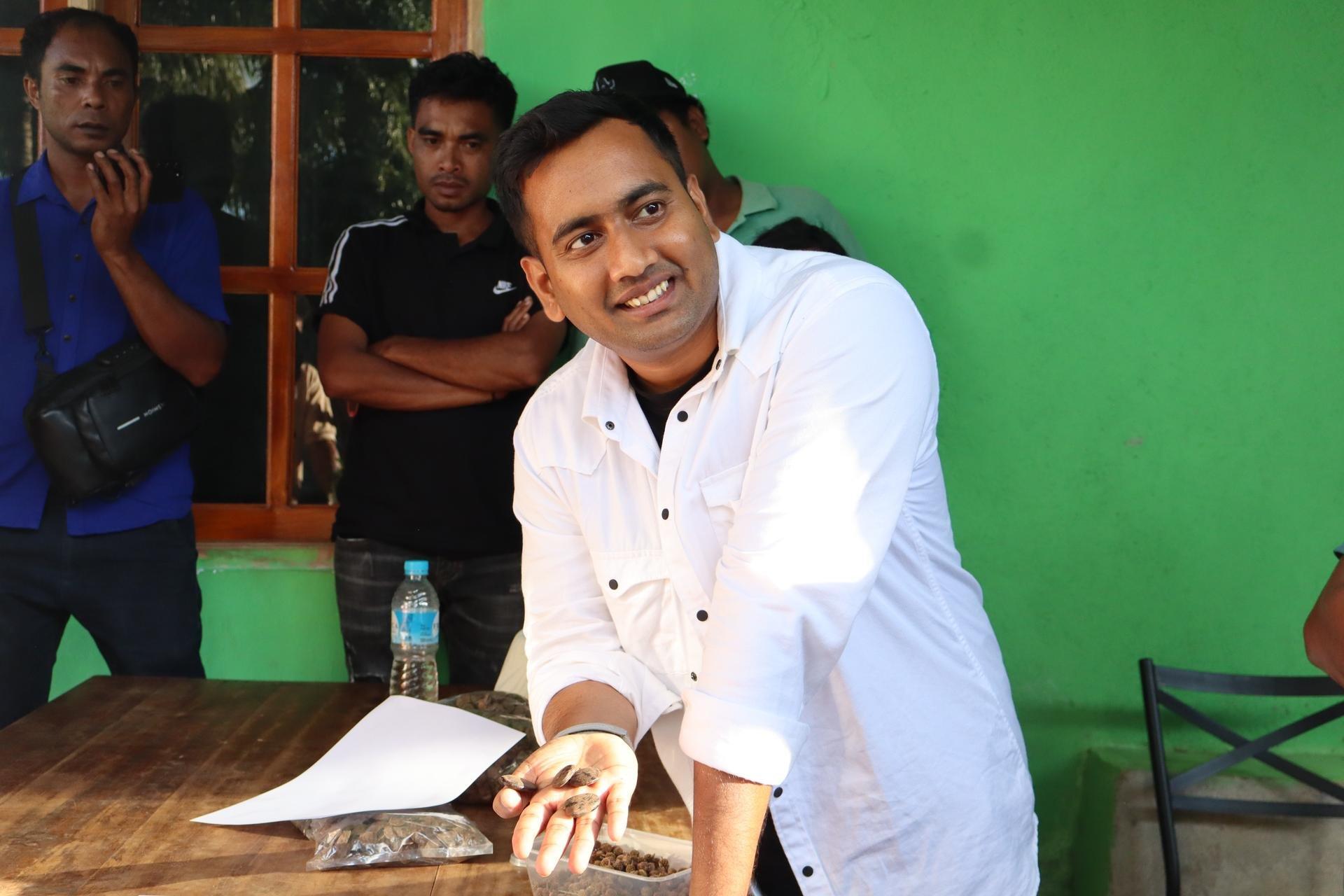
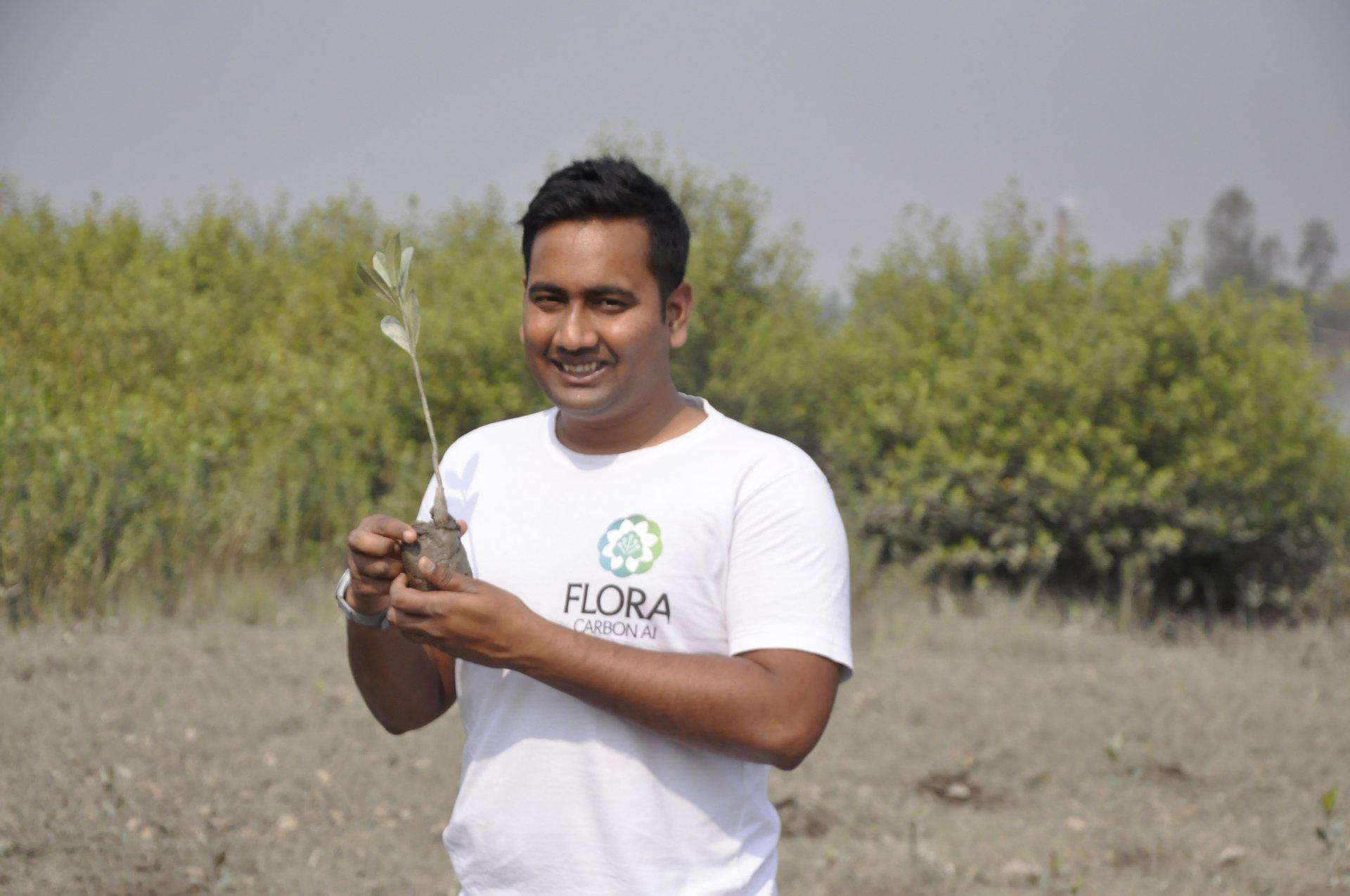
Manir Dhabak — Founder & CEO, Flora Carbon AI
New species described · Endemic tree rediscovered

Croton chakrabartyi & Croton gibsonianus

Co-described Croton chakrabartyi with M. Nandikar while resolving a 180-year-old taxonomic puzzle around Nimmo's Croton. The same work rediscovered Croton gibsonianus Nimmo — Maharashtra's only endemic tree — at Harishchandragad, 170 years after it was last recorded.
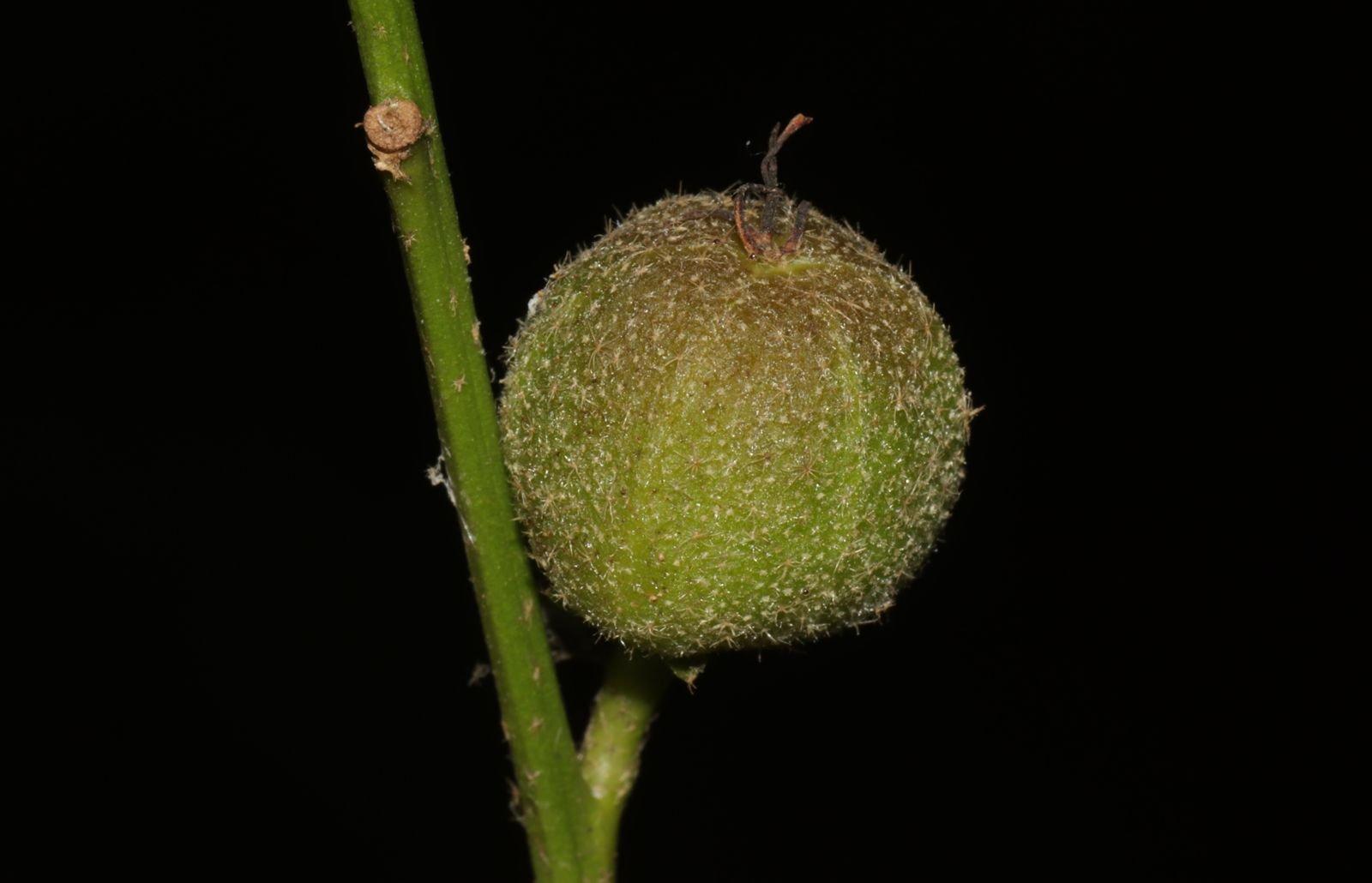
Fruit of Croton chakrabartyi — photograph by Manir DhabakPhoto: Manir Dhabak
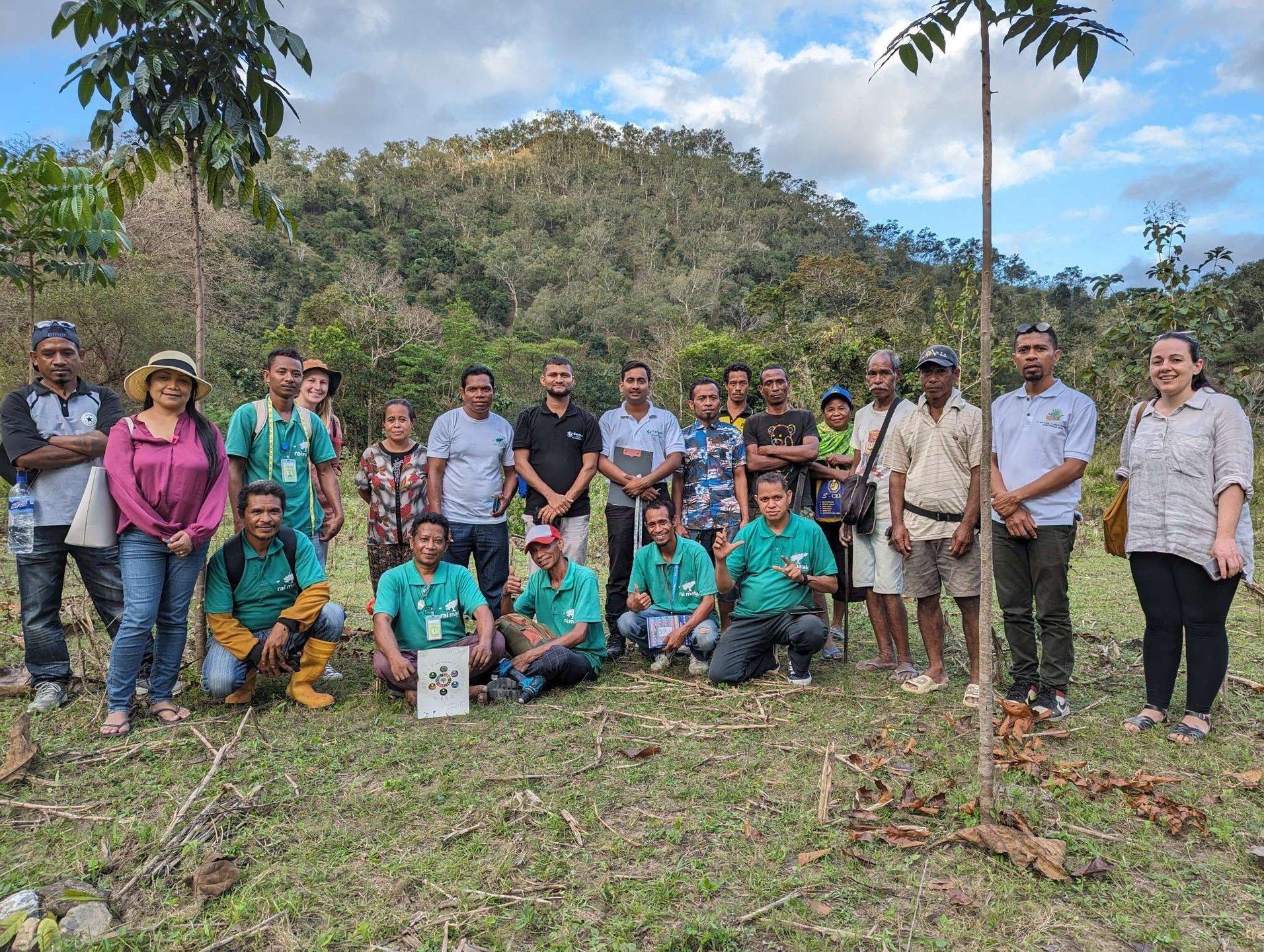
11 ARR projects worked on
5 countries worked across
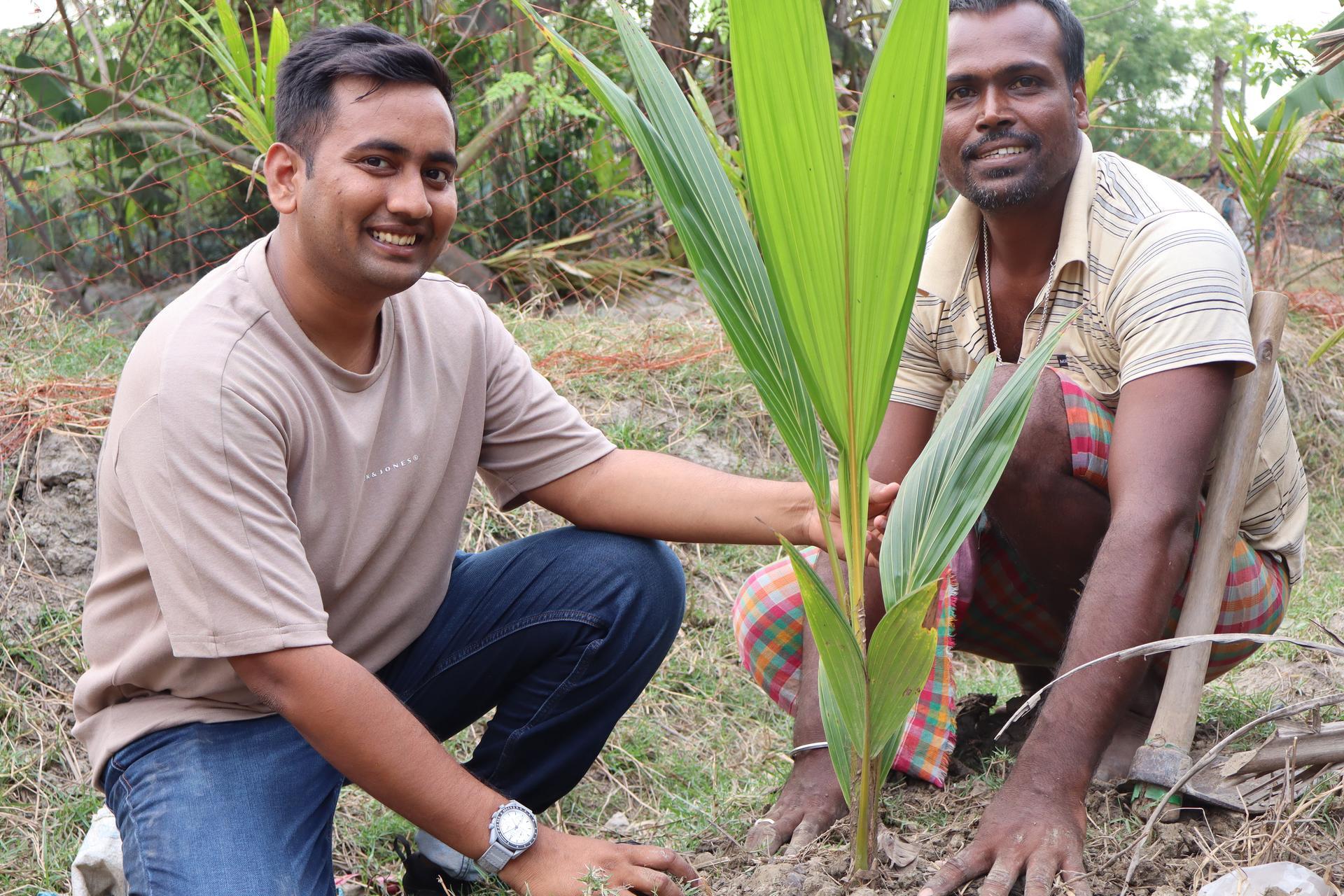
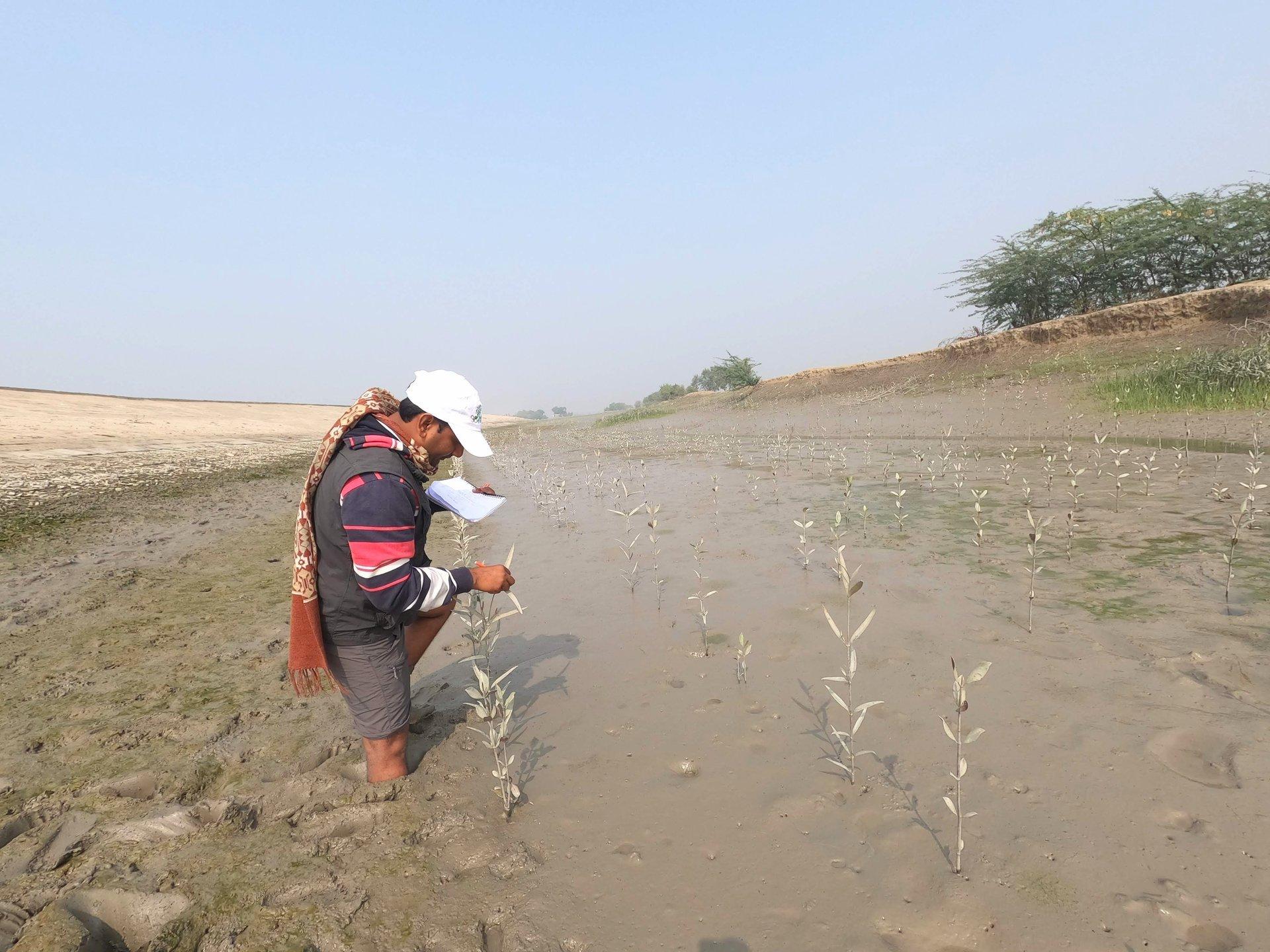
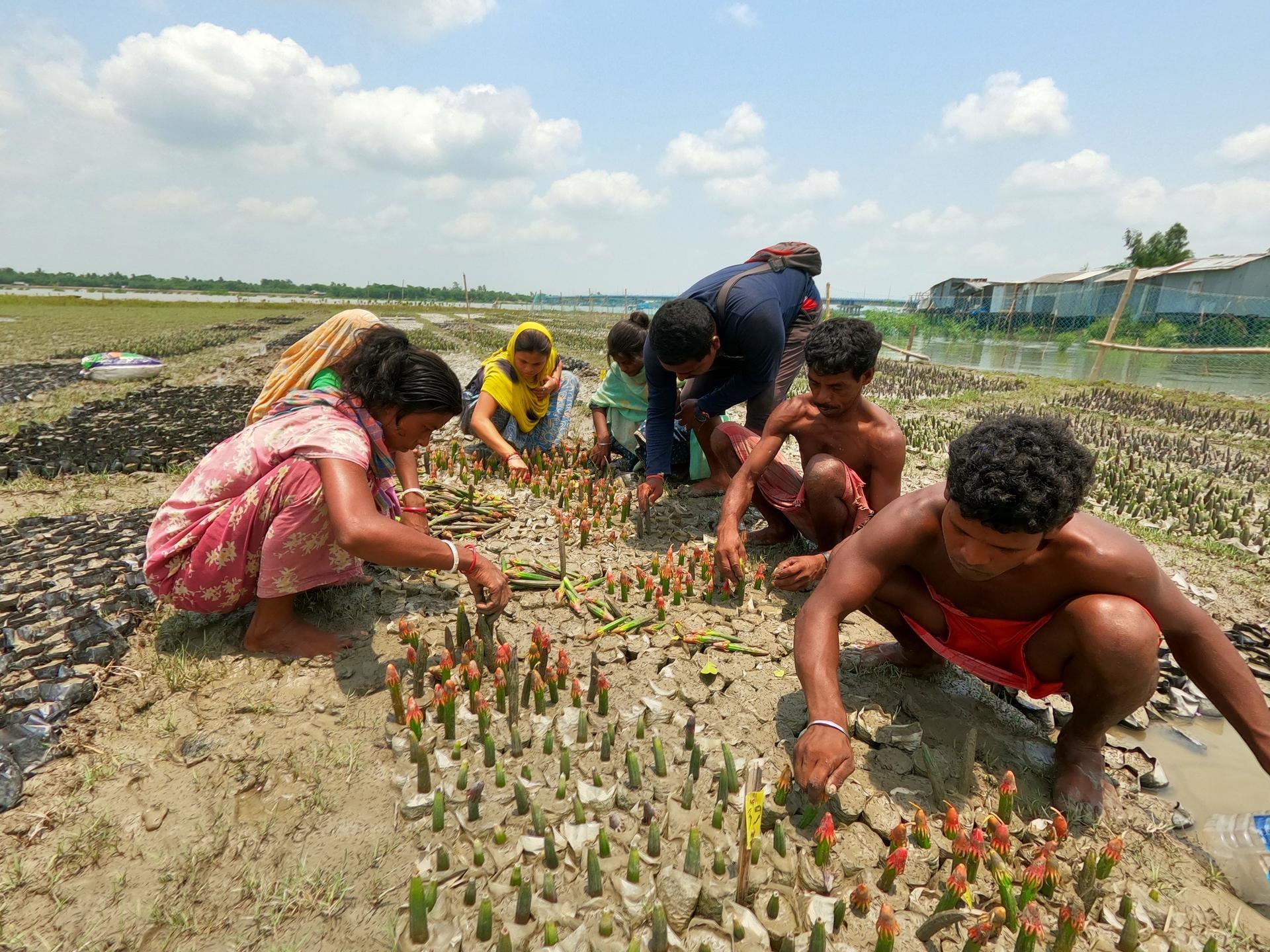
10M+ mangroves planted with SGI
VCS · Gold Standard · Plan Vivo · ICR
Expertise

Carbon projects designed by someone who has audited them — grounded in botany, built to withstand validation

Carbon Project Development

Originating and designing afforestation, reforestation and revegetation projects — from eligibility and additionality through to a project design document that will survive validation.

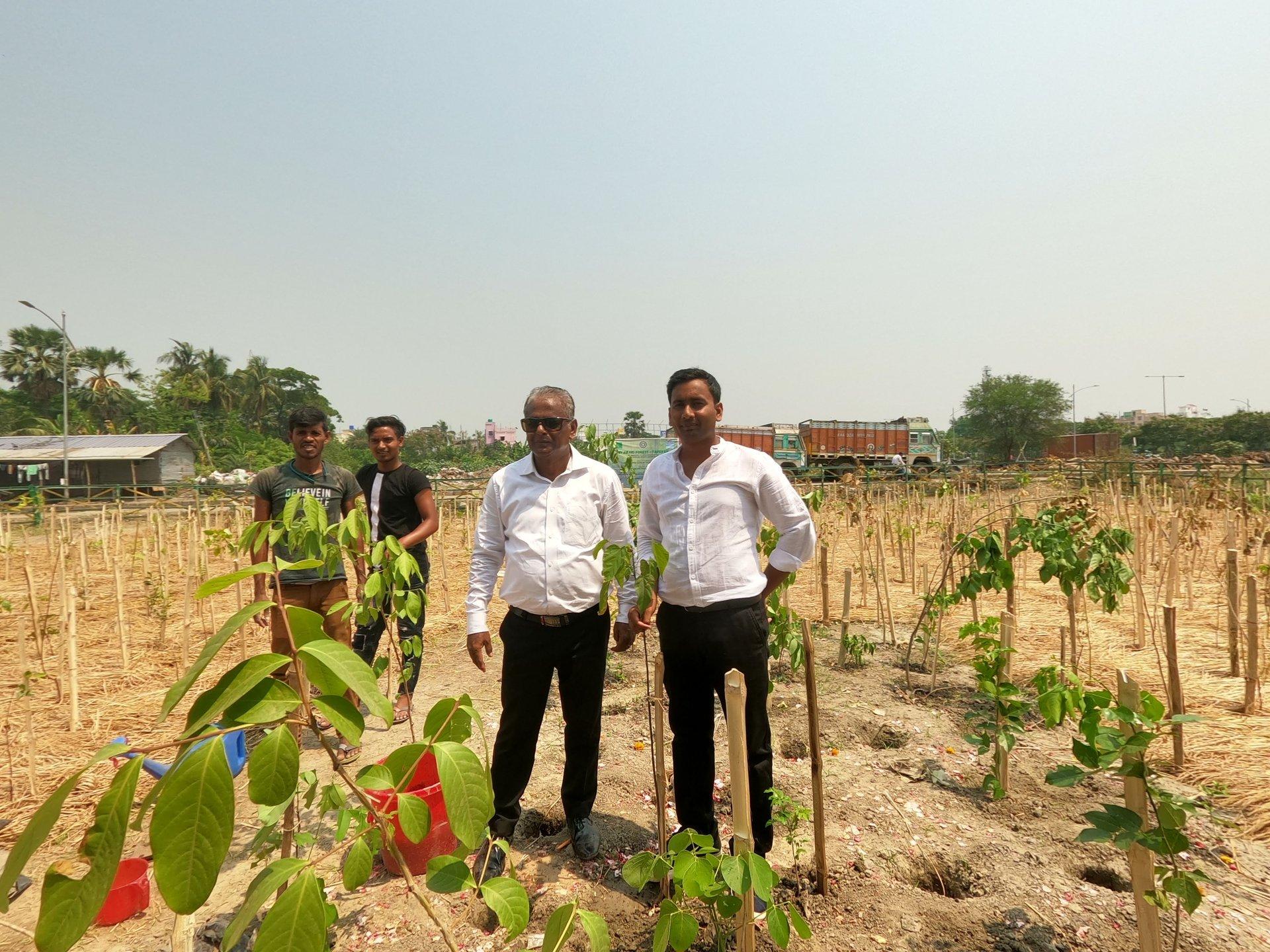
ARR site
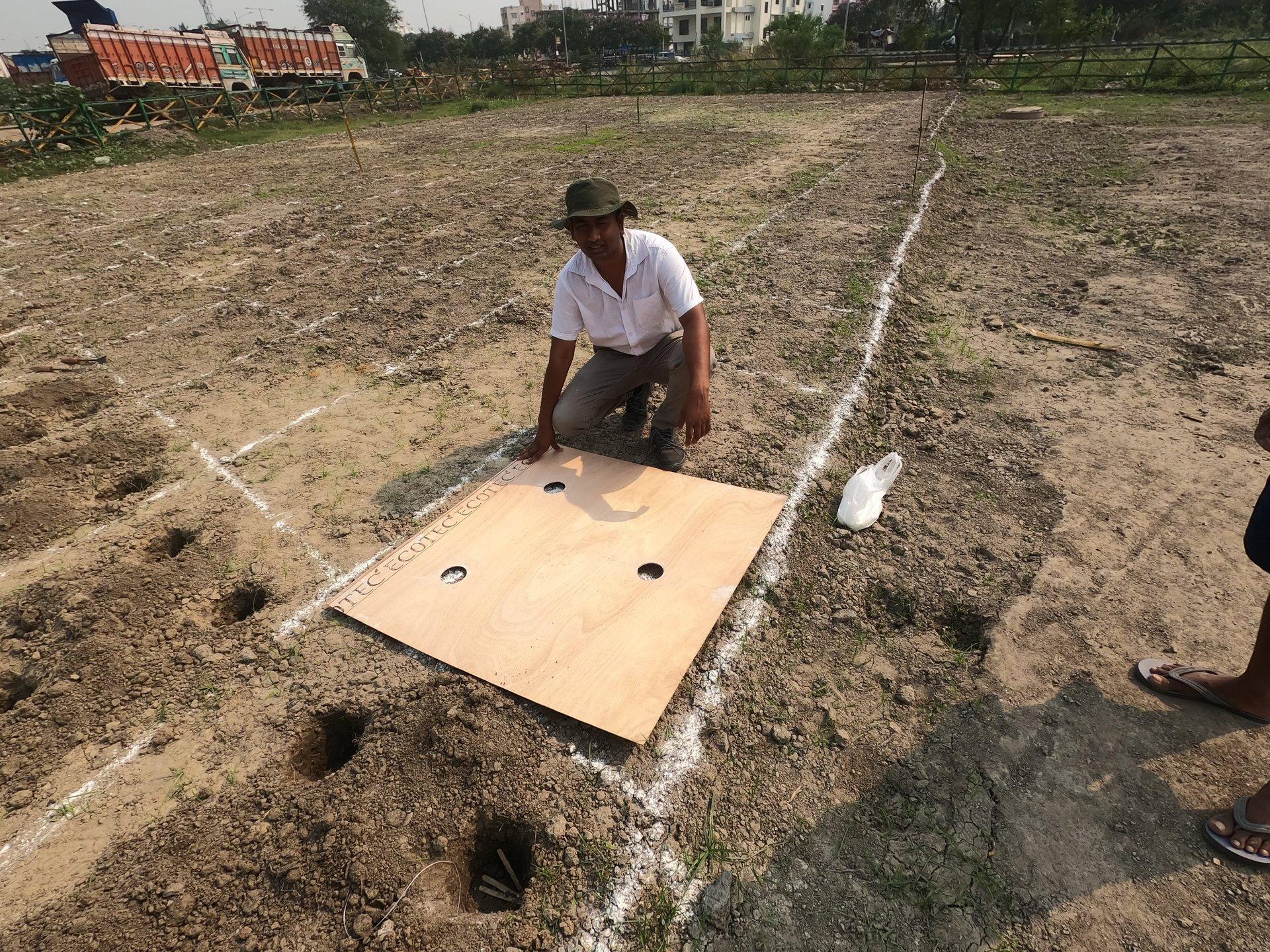
Plot survey
Planting plan
Feasibility & baselinePDD authoringMRV design

Validation & Verification

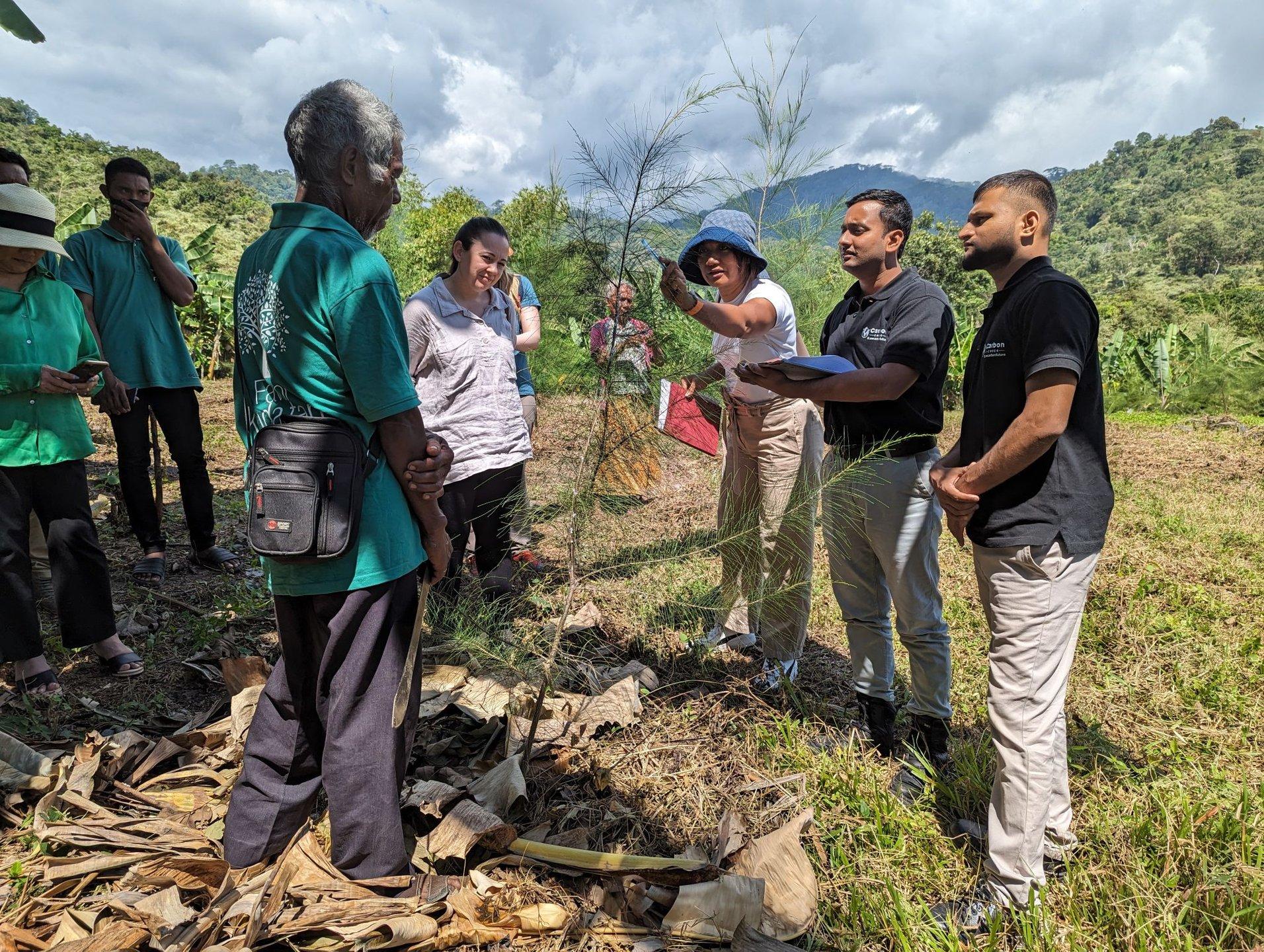
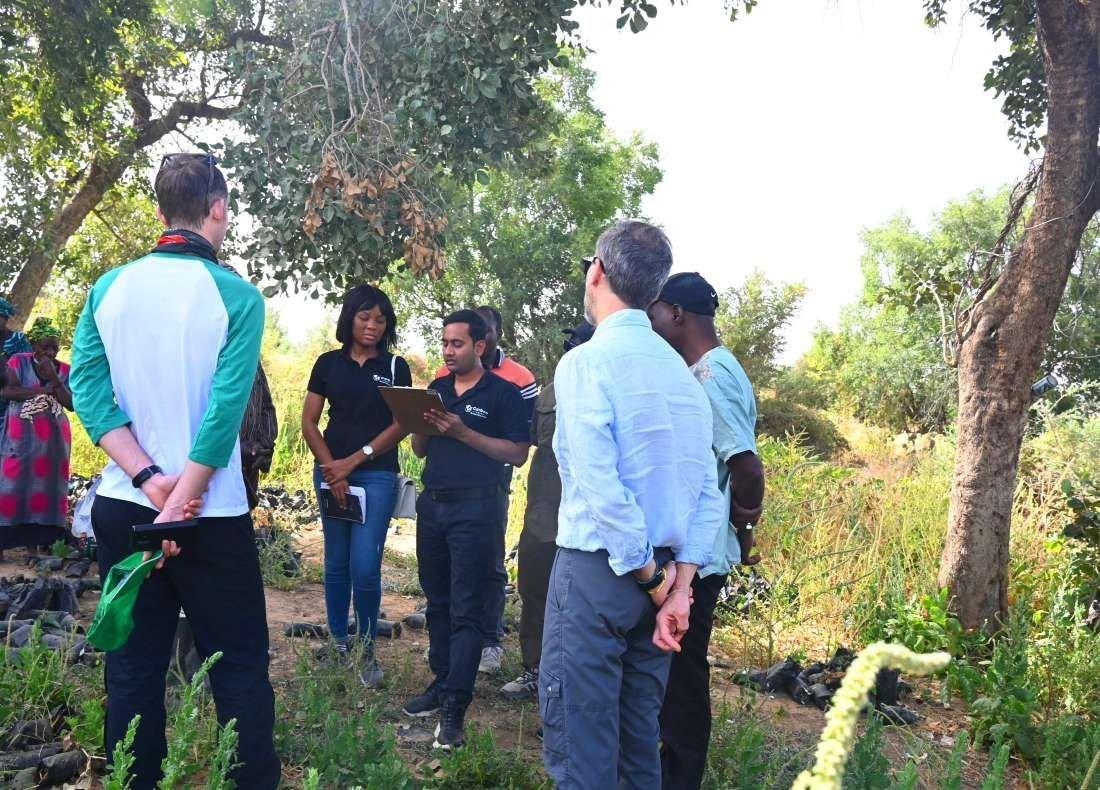
ISO-14064 certified assessment of GHG mitigation projects. Validation and verification planning for on-site and remote audit, and the resolution of findings that follows.

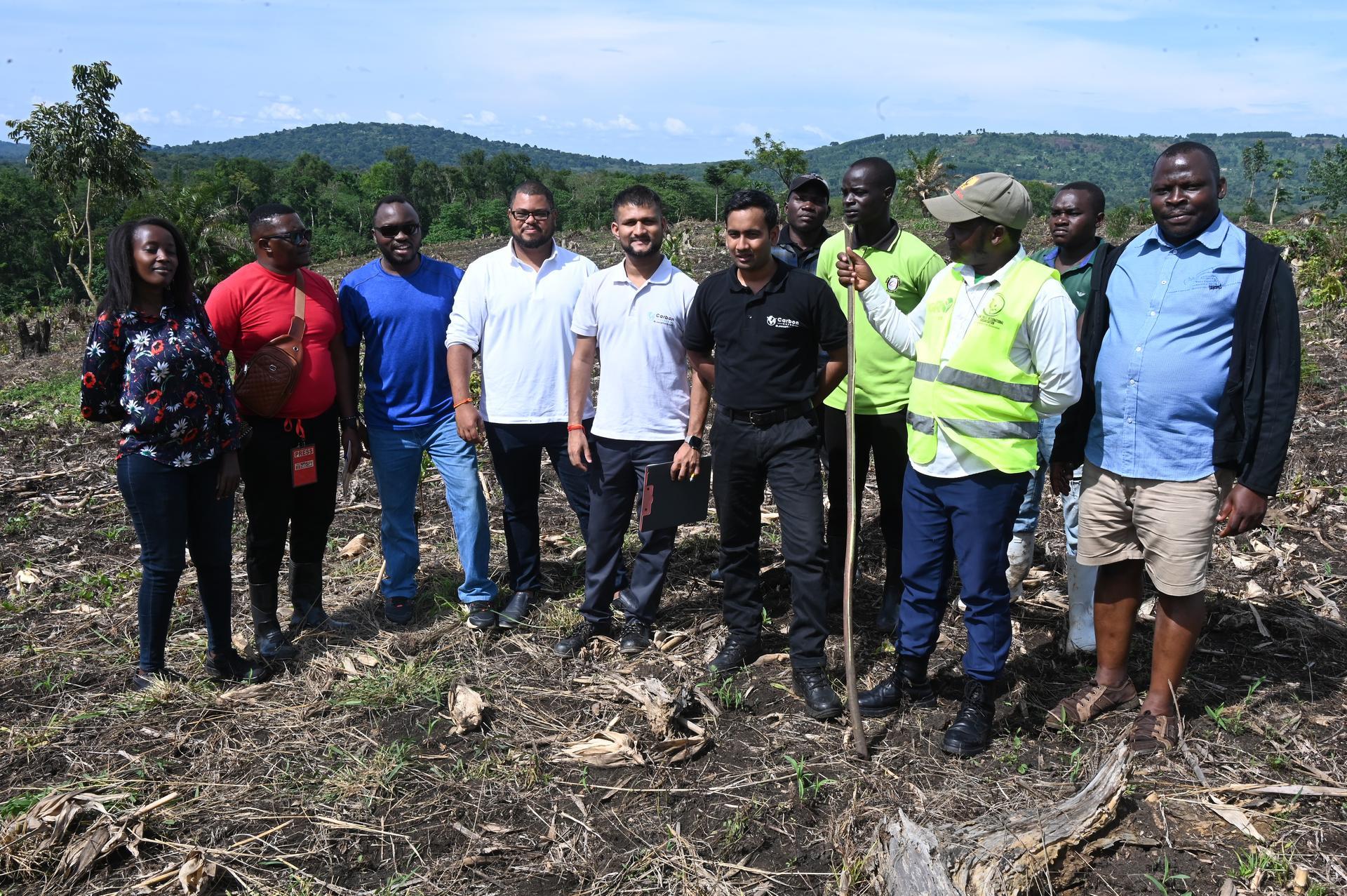
Site audit
Evidence review
Verification report
ISO 14064-1/2/3On-site & remote auditFindings resolution

Biodiversity & Species Strategy

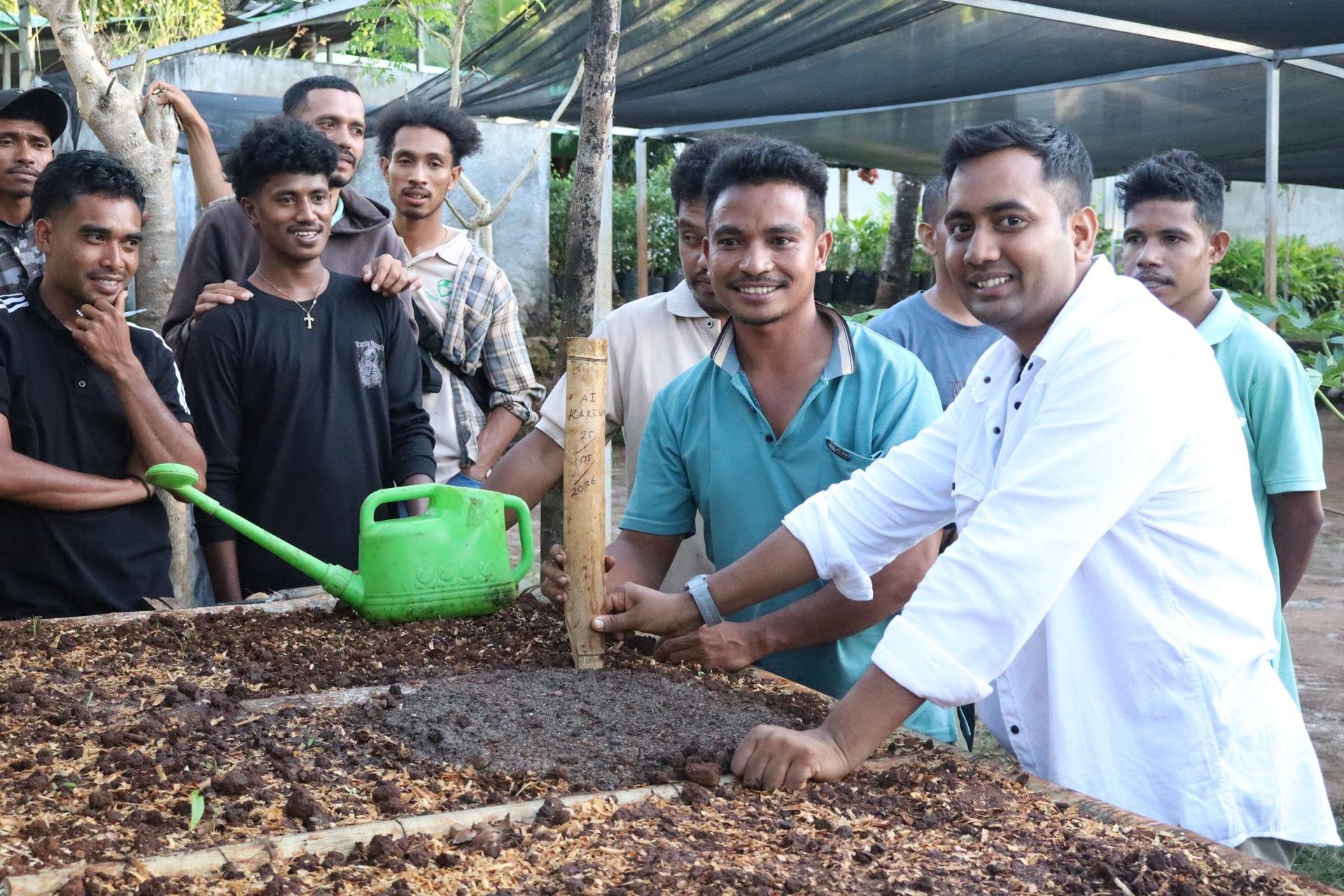
Plant taxonomy applied to project design — native species selection, seed and nursery strategy, and formal conservation assessment where threatened species are involved.

Native nursery
Seed collection
Species survey
Species selectionNursery & propagationIUCN Red List

From the first scoping call to verified issuance, every stage is designed so the project holds up when it is audited.

1

Scoping call

We talk through the land, the tenure situation, who holds the rights and what you want the project to achieve. This is where we work out whether a carbon project is genuinely the right instrument, before anyone spends money finding out.

2

Feasibility & baseline

Eligibility against the standard, additionality, land history and a first carbon estimate. You get an honest read on whether the project stacks up — including when the answer is that it does not.

3

Project design

The project design document, species and planting strategy, monitoring plan and the community agreements that sit underneath it. Species selection here is a taxonomic decision, not a procurement one.

4

Validation & registration

Preparing for the validation audit, supporting the VVB through site visits and evidence requests, resolving findings and carrying the project through to registration with the standard.

5

Monitoring & verification

Monitoring against the plan, preparing for periodic verification and issuance. This is the part that determines whether credits keep coming, so it is built into the design from the start rather than bolted on.

FAQs

Answers to common questions about carbon project development and how we might work together

I'm here to help you

VCS (Verra), Gold Standard, Plan Vivo and ICR. I have audited ARR projects under all four as a certified assessor, which means project design decisions are made with a clear view of how they will be tested at validation.

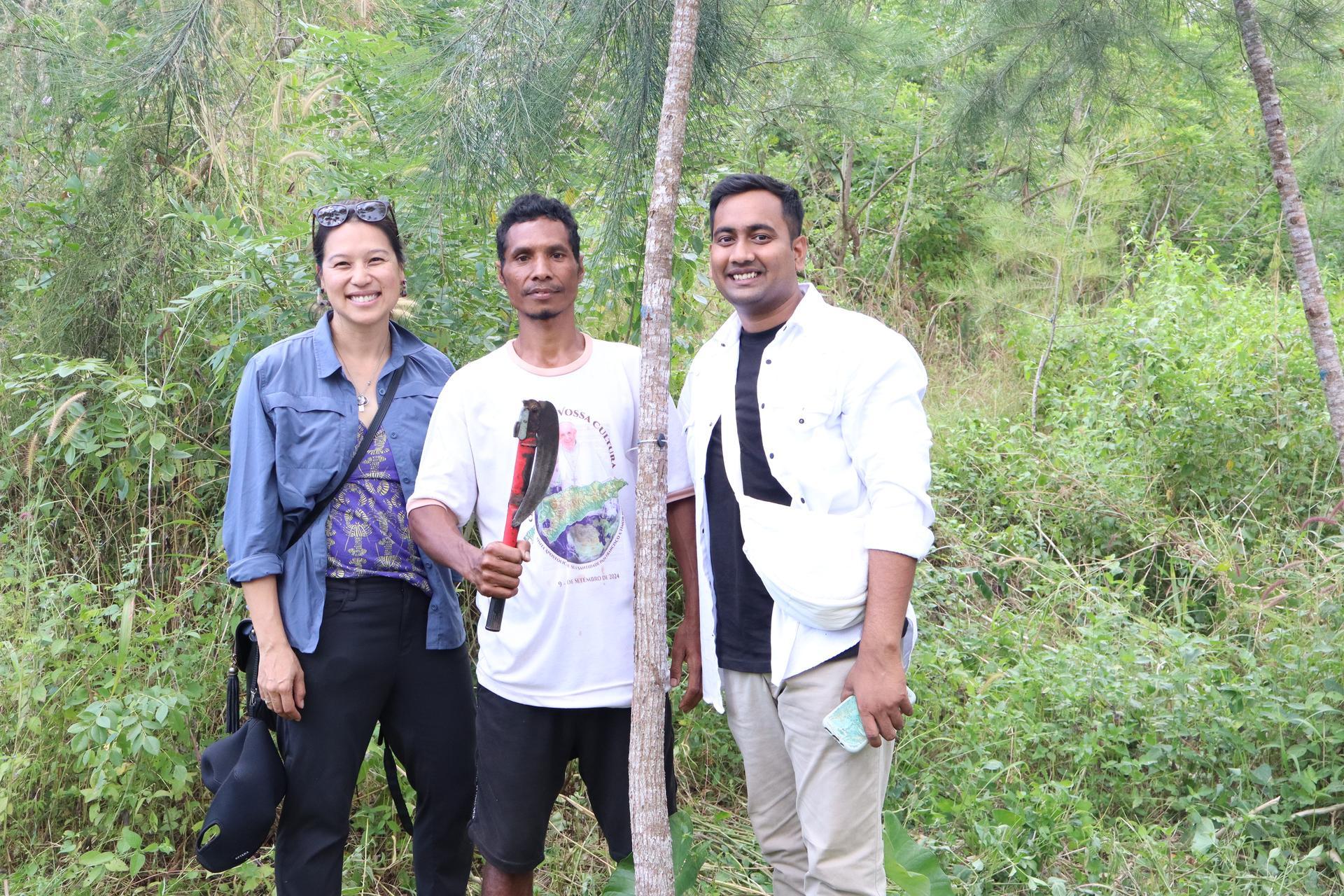
Afforestation, reforestation and revegetation — including mangrove restoration and agroforestry. My work has been across India, Bangladesh, Timor-Leste, Uganda and Senegal, and I am comfortable with community and smallholder projects where the social architecture matters as much as the carbon.

Longer than most people expect. Feasibility and project design typically run several months; validation and registration add more; and ARR projects only issue credits once growth has actually been monitored and verified. I would rather set that expectation at the first call than halfway through.

Land details and boundaries, whatever you know about tenure and land-use history, who the communities and stakeholders are, and your timeline and funding position. If there is existing project documentation or prior feasibility work, that helps too.

Yes. A good deal of my work is advisory — supporting a team that already has a project underway, on certification compliance, species and seed strategy, or preparing for a verification cycle.

Email is best — manir@floracarbon.ai. Tell me where the land is, roughly how large it is and what stage you are at, and I can usually tell you quickly whether it is worth a longer conversation.